
Roof Checklist Before Solar Panel Installation Pakistan
Most solar problems start on the roof, not in the box. Before any crew arrives for solar panel installation Pakistan households can trust, a few simple checks decide whether the project runs smoothly for twenty-five years or becomes a repair bill in year three.
This 2026 checklist is written for owners, not engineers. Walk your roof with it, note the answers and share them with your installer.
Why Does the Roof Matter So Much?
Panels are heavy, wind catches them like sails, and monsoon water finds every weak joint. The roof carries the structure, the wiring path and the maintenance access. A great panel on a poor roof still performs badly.
Checking first also keeps your quote honest. Hidden roof work discovered on installation day is how a fair price becomes an expensive one.
Check 1: Structure and Load
A typical rooftop array adds a modest weight per square metre, but old slabs, asbestos sheets and thin tin roofs behave very differently. Ask whether your roof is RCC, sheet metal or tiled.
- RCC slab: best option, usually allows ballasted or bolted frames.
- Metal sheet: needs clamps fixed to purlins, never to the sheet alone.
- Old or cracked slab: repair before mounting anything on it.
Waterproofing around the mounts
Every bolt hole is a potential leak. Ask the crew to seal each base plate and show you the finished joints. This one habit prevents most monsoon complaints.
Check 2: Shade Across the Day
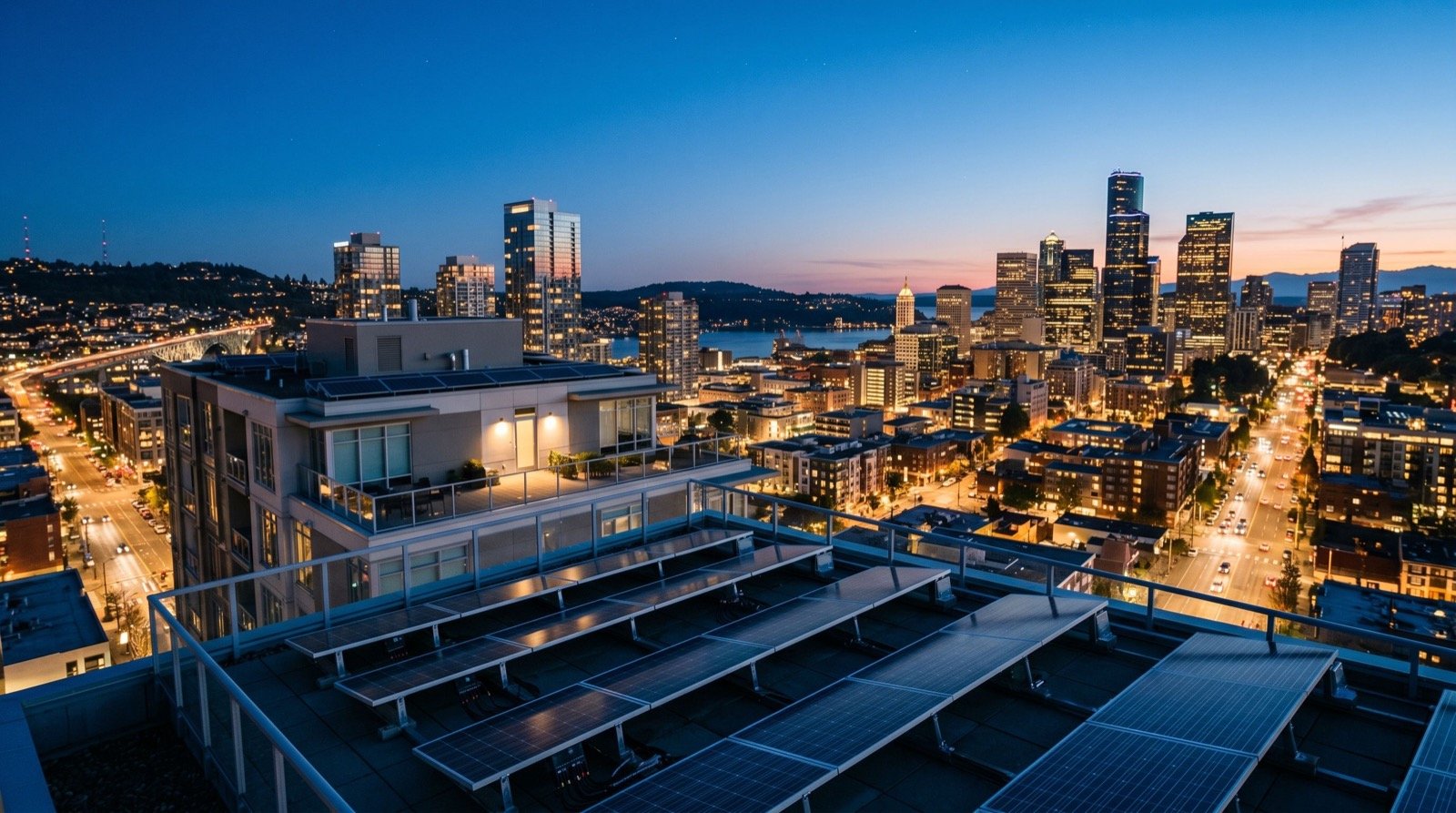
Shade is the quiet thief of output. A water tank, a parapet wall or the neighbour’s new floor can cut production for hours. Visit your roof at 9am, noon and 3pm and note what falls across the planned area.
A shadow over a single panel can drag down a whole string. Micro-inverters or optimisers help, but moving the array is cheaper.
Check 3: Which Direction and Tilt Work Best?
In Pakistan, panels generally face south. The ideal tilt is roughly equal to your latitude, which sits around 30 to 33 degrees across much of Punjab and Islamabad. Lower tilts can suit flat roofs where rows must sit close together.
The National Renewable Energy Laboratory offers a free tool, PVWatts, that estimates output by location, tilt and orientation. Use it to sanity check any production promise you receive.
| Roof type | Typical mounting | Main watch-out |
|---|---|---|
| Flat RCC | Tilted aluminium frame | Row spacing and shadows |
| Sloped tile | Hook-style rails | Cracked tiles and leaks |
| Metal sheet | Clamp to purlin | Corrosion and wind uplift |
Check 4: Access, Cabling and Earthing
Cables should travel from the array to the inverter by the shortest safe route, inside conduit, away from sunlit hot spots. Plan the inverter location in a shaded, ventilated spot that you can reach easily.
- Confirm a safe ladder or stair route to the roof.
- Mark where the DC cable drops through the wall.
- Identify the earthing pit location and moisture level.
- Check the distribution board has room for new breakers.
Original tip: take a short video of the roof before work starts and again at handover. It documents leaks, cracks and ownership of any damage.
Check 5: Cleaning and Maintenance Access
Dust accumulates quickly in Pakistan, so you will clean panels often. Leave walkways between rows, and avoid layouts that force someone to step on the modules. A hose point nearby makes the job a ten minute task rather than a chore.
Choosing the Team That Does the Work
A roof survey is also an interview. Do the technicians measure carefully, ask about your bills and explain trade-offs? That behaviour tells you more than a brochure. When you speak with trusted professionals in any field, listen for specifics.
If you want a team that surveys before it quotes, ask how projects are scoped and staged. Once the roof is cleared, you can also buy solar panels in Pakistan that match your roof area and budget, rather than guessing at module sizes.
Seasonal Roof Care After Installation
Installation is the beginning of your roof’s new life, not the end of the work. Pakistan’s seasons put different stresses on a rooftop array, so a light routine pays off.
Before the monsoon
Tighten loose bolts, clear drains and check sealant around every mount. Blocked drains cause pooling, and pooling water reaches cracks you did not know existed. Inspect cable conduits as well, because loose covers let water into junction boxes.
During dust and heat
Spring winds and summer dust reduce output noticeably. Wipe panels early with soft water and a squeegee, never with abrasive pads. Avoid spraying cold water on hot glass at midday, since the sudden temperature change stresses the surface.
In winter
Fog and low sun cut production, which is normal. Use this quieter season for a full inspection of cabling and earthing, and note the inverter readings for your records.
Common Roof Mistakes We See
- Placing panels directly beside a water tank, then discovering afternoon shadow.
- Drilling through waterproofing without resealing the hole.
- Leaving no walkway, so every cleaning visit risks cracked glass.
- Running cables across hot, bare concrete where insulation ages quickly.
- Forgetting that a future extra floor may shade the whole array.
Each of these is cheap to avoid during planning and costly to fix afterwards. A thorough survey, ideally with photographs and a simple sketch of the layout, prevents nearly all of them.
Questions to Ask During the Site Survey
- How will you protect the waterproofing at each mounting point?
- What wind rating does the frame carry?
- Where will the inverter and earthing pit go?
- Who is responsible if the roof is damaged during work?
Clear, specific answers show a team that has done this before. Vague replies are your cue to keep looking.
Frequently Asked Questions
How much roof space do I need for a 5 kW system?
Plan on roughly 25 to 30 square metres of clear, shade-free area for modern high-wattage modules, plus walkways for access.
Can I install panels on a rented house?
Yes, with the landlord’s written consent. Agree in advance who owns the system and what happens when the lease ends.
Should I worry about wind and storms?
Yes. Ask for a mounting design rated for local wind speeds and check that every anchor is fixed to the structure, not just the surface.
Does it matter if my roof faces east?
Frames can tilt panels south even on an east-facing building, so the roof direction alone should not stop your project.
Conclusion
A careful roof check protects your investment before a single panel is delivered. Use this list, gather your answers and request a site survey so your solar panel installation Pakistan project starts on solid ground. A small amount of preparation now saves a great deal of rework later.